
English follows:
رامي معين محسن، بيالارا/ قطاع غزة
11 يونيو 2026
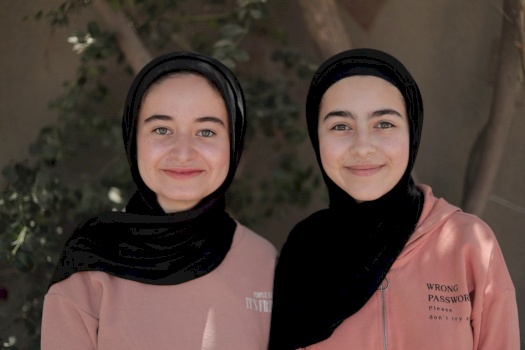
تقدمت الشقيقتان الفلسطينيتان "تالا موسى" (17 عاماً)، و"فرح موسى" (15 عاماً)، بمبادرة تحمل اسم "Build Hope"، "بناء الأمل"، وهي مشروع بيئي وإنساني مبتكر يهدف إلى إعادة تدوير ركام المباني المدمرة بقطاع غزة، بفعل الحرب وتحويله إلى قوالب ومواد بناء قابلة لإعادة الاستخدام في مشاريع الإعمار.
وُلدت فكرة المبادرة من التجربة الشخصية التي عاشتها الشقيقتان، بعد تدمير مدينة الزهراء التي كانتا تقطنان فيها، حيث تحول الركام المنتشر في كل مكان من رمز للدمار والخسارة، إلى مصدر إلهام لفكرة تسعى إلى تحويل آثار الحرب، إلى أدوات للبناء والأمل. حيث تستهدف المبادرة المساهمة في معالجة مشكلة الركام المتراكم في أنحاء قطاع غزة، والذي يزن نحو 61 إلى 68 مليون طن. من خلال توفير مواد بناء منخفضة التكلفة، ودعم جهود إعادة الإعمار، إلى جانب تعزيز ثقافة الاستدامة وإعادة التدوير، وتمكين الشباب والفتيان من المشاركة في عملية التعافي المجتمعي.
وبحسب تالا وفرح، فإن المبادرة يمكن أن تحقق أثراً بيئياً، ومجتمعياً، واقتصادياً واسعاً في حال تطبيقها على أرض الواقع، كونها تُسهم في معالجة أحد أكبر التحديات التي خلفتها الإبادة الجماعية، والمتمثلة في تراكم ملايين الأطنان من الركام، من خلال إعادة توظيفه كمورد قابل للاستخدام في عمليات البناء والإعمار. كما تساعد المبادرة على توفير مواد بناء أقل تكلفة، والحد من الأضرار البيئية الناتجة عن تراكم مخلفات المباني المدمرة، ونشر ثقافة الاستدامة وإعادة التدوير داخل المجتمع. كذلك تفتح المجال أمام تدريب الشباب على مهارات عملية مرتبطة بالإعمار الذاتي، وتُوفر فرصاً اقتصادية ومشاريع مستقبلية قائمة على الاقتصاد الدائري وإعادة الاستخدام. حيث تمتاز الفكرة بإمكانية تطبيقها في مناطق أخرى حول العالم تعاني من آثار الحروب أو الكوارث الطبيعية.
جاء الدافع الأساسي من الإيمان بأن الاستسلام للواقع ليس خياراً. فقد عاشت تالا وفرح الحرب بكل تفاصيلها؛ بدءاً من فقدان المنزل وتدمير مدينتهما، مروراً بالنزوح المتكرر وصعوبة الوصول إلى الكهرباء والإنترنت، وصولاً إلى حالة الخوف المستمرة والظروف الإنسانية القاسية التي فرضتها الحرب.
ورغم ذلك، قررتا تحويل الألم إلى فرصة للعمل والإبداع. ومن خلال مشاهدتهما اليومية للركام، طرحتا سؤالاً بسيطاً لكنه عميق: هل يمكن أن يتحول هذا الدمار إلى بداية جديدة؟ ومن هنا بدأت رحلة التفكير في مشروع يساهم في إعادة البناء ويبعث رسالة أمل للمجتمع. وتؤمن الشقيقتان بأن الإبداع والابتكار يمثلان شكلاً من أشكال الصمود، وأن مواجهة الحرب لا تكون فقط بتحمل آثارها، بل أيضاً بابتكار حلول تساعد المجتمع على النهوض من جديد.
وأما عن جائزة الأرض 2026 (The Earth Prize 2026)، فهي من أبرز الجوائز البيئية العالمية المخصصة للشباب والفتيان، وتهدف إلى دعم الأفكار والمبادرات القادرة على إحداث أثر بيئي ومجتمعي مستدام. وقد مرت المشاركة بعدة مراحل تنافسية، بدأت بتقديم المشروع ضمن آلاف المبادرات من مختلف دول العالم، ثم خضعت المشاريع لعمليات تقييم وفرز متعددة لاختيار أفضل الأفكار. وتمكن مشروع "بناء الأمل" من التأهل ضمن أفضل 35 فريقاً من بين أكثر من 6000 فريق مشارك عالمياً، قبل أن يحقق الفوز على مستوى منطقة الشرق الأوسط، ويواصل المنافسة في المراحل النهائية العالمية. في دلالة على القيمة الابتكارية للمشروع، وقدرته على تقديم حل عملي يجمع بين البعد البيئي والإنساني في آن واحد، سيما في قطاع غزة الذي مر بأبشع إبادة مرت خلال العصر الحديث.
وبدورها تقول كل من تالا وفرح، أن الفوز يمثل أكثر من مجرد إنجاز شخصي؛ فهو اعتراف دولي بفكرة وُلدت من قلب المعاناة في قطاع غزة، ورسالة تؤكد أن الإبداع يمكن أن يزدهر حتى في أصعب الظروف.
وترى "تالا وفرح" أن هذا التتويج منحهما فرصة للوصول إلى جمهور عالمي واسع، وساهم في إبراز صورة مختلفة عن غزة وشبابها، باعتبارها بيئة قادرة على إنتاج الأفكار والحلول، وليس فقط مكاناً للأزمات والحروب. كما منحهما الفوز أيضاً زخماً إضافياً، لتحويل المبادرة من فكرة مبتكرة، إلى مشروع قابل للتنفيذ، بحيث يخدم المجتمع، ويسهم في جهود التعافي وإعادة الإعمار وإشراك الشباب الفاعل في هذا المضمار، أسوة بالتجارب الدولية التي أثبت خلالها الشباب بصمته في تحويل الألم إلى أمل، والتحدي إلى فرصة.
لا شك أن هناك تحديات استثنائية واجهت "تالا وفرح" خلال تطوير مبادرتهم، في مقدمتها استمرار الحرب والظروف الأمنية الخطيرة، وفقدان المنزل، وتدمير مدينة الزهراء بشكل كامل، إضافة إلى النزوح المتكرر وصعوبة الاستقرار، والمجاعة. كما واجهتا أيضاً تحديات مرتبطة بانقطاع الكهرباء، وضعف خدمات الإنترنت، ونقص الموارد والإمكانات اللازمة لتطوير المبادرة، فضلاً عن الضغوط النفسية الناتجة عن القصف، والخوف المستمر، والظروف الإنسانية الصعبة. وإلى جانب ذلك، كان عليهن تجاوز التشكيك بقدرة فتاتين صغيرتين، على تطوير مشروع بيئي وإنساني بهذا الحجم. ومع ذلك، تمكنتا من الاستمرار والعمل رغم كل التحديات المعقدة، حتى وصل المشروع إلى منصات دولية وحصد تقديراً عالمياً واسعاً.
تؤكد "تالا وفرح" أن رسالتهما الأساسية للعالم، هي أن غزة ليست مجرد عنوان للحرب والدمار، بل هي أيضاً موطن للإبداع والطموح والقدرة على صناعة الأمل.
وتدعوان إلى النظر إلى الشباب الفلسطيني باعتباره شريكاً في بناء المستقبل وصناعة الحلول، لا مجرد ضحية للنكبات والأزمات. كما تشددان على أهمية الاستثمار في الشباب، وتمكينهم من تحويل أفكارهم إلى مشاريع ذات أثر حقيقي، لأن بناء الإنسان هو الأساس لأي عملية تعافٍ أو إعادة إعمار مستدامة. وتلخصان رسالتهما بعبارة تعبّر عن جوهر تجربتهما: "الحرب صنعت الركام، لكننا حاولنا أن نصنع منه بداية جديدة."
فعلاً في غزة الإرادة تنتصر على الإبادة، والأمل يغلب الألم، ومن بين جنبات الموت تتشبث بالحياة وحب الوطن، غزة ليست أجمل المدن، لكنها كما قال درويش "تعادل تاريخ أمة"، فعلى هذه الأرض ما يستحق الحياة.
Tala and Farah: When Willpower Triumphs Over Annihilation
By: Rami Moeen Mohsen, PYALARA / Gaza Strip
June 11, 2026
Palestinian sisters Tala Mousa (17) and Farah Mousa (15) have launched an initiative titled "Build Hope," an innovative environmental and humanitarian project aimed at recycling the rubble of buildings destroyed by the war in the Gaza Strip. The project seeks to transform this debris into bricks and construction materials that can be reused for reconstruction efforts.
The idea was born from the sisters' personal experience following the destruction of their home city, Al-Zahra. The rubble that blanketed their surroundings—once a symbol of destruction and loss—became the inspiration for a project aiming to turn the scars of war into tools for building and hope. The initiative addresses the massive crisis of accumulated debris in Gaza, estimated at 61 to 68 million tons. By providing low-cost construction materials, the project supports reconstruction, promotes sustainability, and empowers youth to participate in community recovery.
According to Tala and Farah, the initiative offers significant environmental, social, and economic impact. By repurposing rubble, the project provides affordable building materials, reduces environmental hazards, and fosters a culture of sustainability. Furthermore, it creates opportunities for youth to gain practical construction skills and promotes a circular economy. The concept is highly scalable and could be applied to other regions worldwide affected by war or natural disasters.
The primary motivation was the belief that surrender is not an option. Tala and Farah lived through every detail of the war: losing their home, the destruction of their city, recurring displacement, limited access to electricity and the internet, and the constant fear and harsh humanitarian conditions.
Despite this, they chose to turn their pain into an opportunity for innovation. Watching the rubble daily, they asked a simple yet profound question: Can this destruction be a new beginning? They believe that creativity and innovation are forms of resilience, and that resisting war means not only enduring its consequences but also inventing solutions to help society rise again.
The Earth Prize 2026 is one of the most prominent global environmental awards for youth, aimed at supporting ideas that create sustainable impact. The "Build Hope" project was selected from thousands of international entries. It ranked among the top 35 teams out of over 6,000 global participants, eventually winning at the Middle East regional level and advancing to the final global stages. This recognition highlights the project’s innovative value and its ability to provide a practical, human-centric solution in the aftermath of one of the most brutal genocides of the modern era.
For Tala and Farah, this victory is more than a personal achievement; it is international recognition for an idea born from the heart of Gaza's suffering—a message that creativity can flourish even in the most difficult circumstances.
The sisters believe this platform has allowed them to reach a global audience, showcasing a different image of Gaza and its youth—one capable of producing ideas and solutions rather than being defined solely by crisis. This win provides the momentum to transform their concept into a tangible project that serves the community and contributes to reconstruction.
Tala and Farah faced extraordinary challenges, including the ongoing war, security threats, homelessness, constant displacement, and famine. They also struggled with power outages, poor internet connectivity, a lack of resources, and the psychological toll of bombardment. Beyond these, they had to overcome skepticism regarding the ability of two young girls to lead a project of such magnitude. Nevertheless, they persevered, reaching international platforms and gaining global acclaim.
"Gaza is not just a headline for war and destruction," the sisters emphasize. "It is also a home for creativity, ambition, and the ability to manufacture hope."
They call on the world to view Palestinian youth as partners in building the future rather than just victims of crises. They stress the importance of investing in youth, as human development is the foundation of any sustainable recovery. They summarize their journey with a poignant reflection: "The war created the rubble, but we tried to create a new beginning from it."
In Gaza, willpower indeed triumphs over annihilation, and hope overcomes pain. From the corners of death, the people here cling to life and their homeland. Gaza may not be the most beautiful of cities, but as the poet Mahmoud Darwish once said, it "equals the history of a nation." For on this land, there is truly something worth living for.