? What's happening behind the screen
In the city of Bonn, western Germany, specifically in the Bad Godesberg region, the German Museum is located in Bonn, which today offers a space dedicated to understanding and experimenting with artificial intelligence under the title “Artificial Intelligence Forum”. In the museum you don't walk between halls full of information and pieces displayed behind glass, you go from one interactive experience to another; you touch, try, choose, and observe the result in front of you.
The museum is dedicated to different categories of visitors, from children and young people to families and those interested in technology, and its basic idea is to try and understand artificial intelligence instead of just talking about it.
The round doesn't start with the question: What is the latest AI tool?
Rather, it comes from a simpler question:
How many times have we used AI today without paying attention?
Perhaps your phone suggested a picture of your memories, corrected a word you wrote, translated a sentence for you, suggested a music platform that suited your taste, maps chose the fastest route for you without paying attention, or saw an ad that seemed to know what you were looking for.
We already use AI in many details of our lives, but often we only see the result and not what happens behind it.
And this is where my tour begins.
Boom. Your photo appears in another time
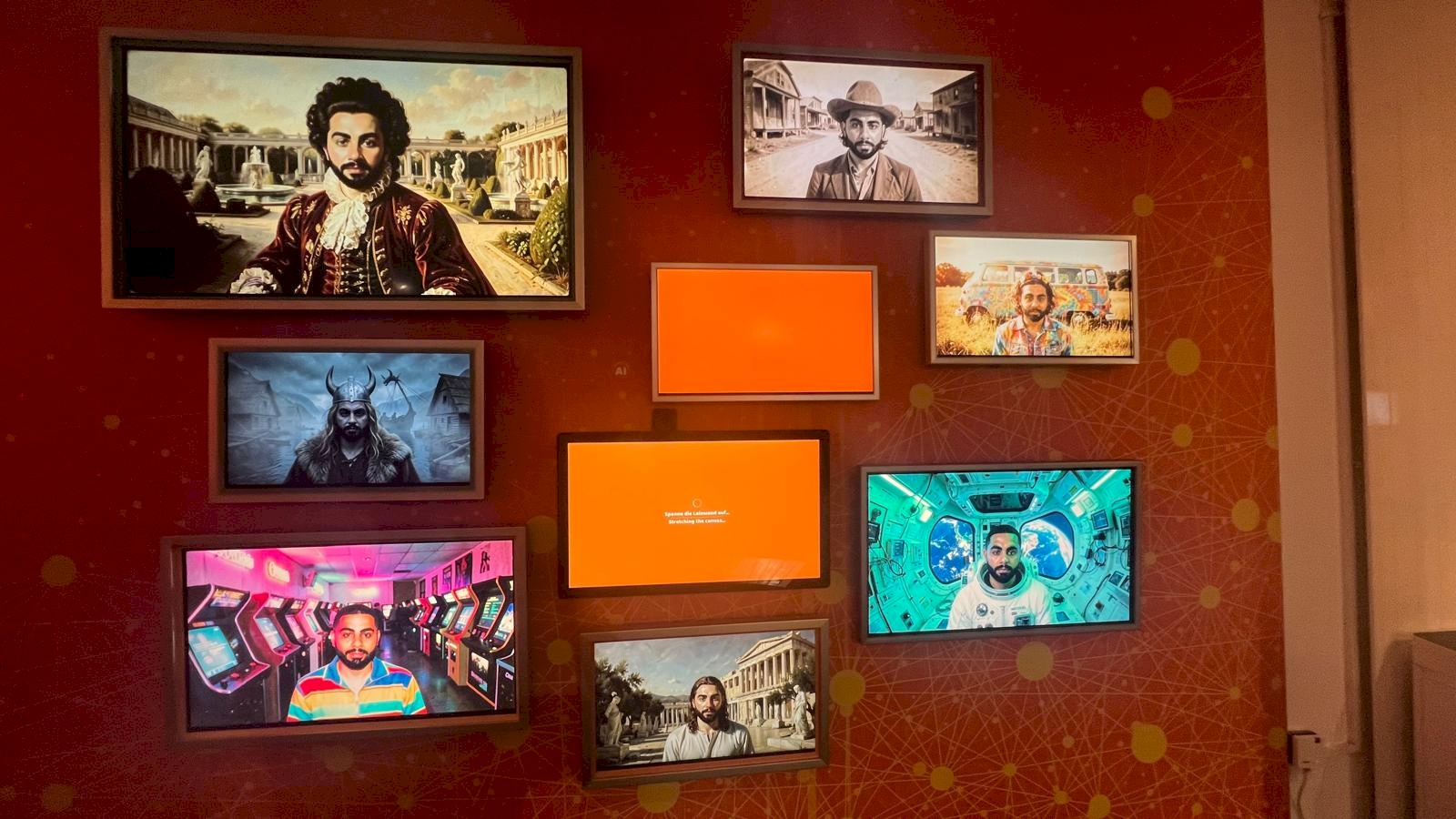
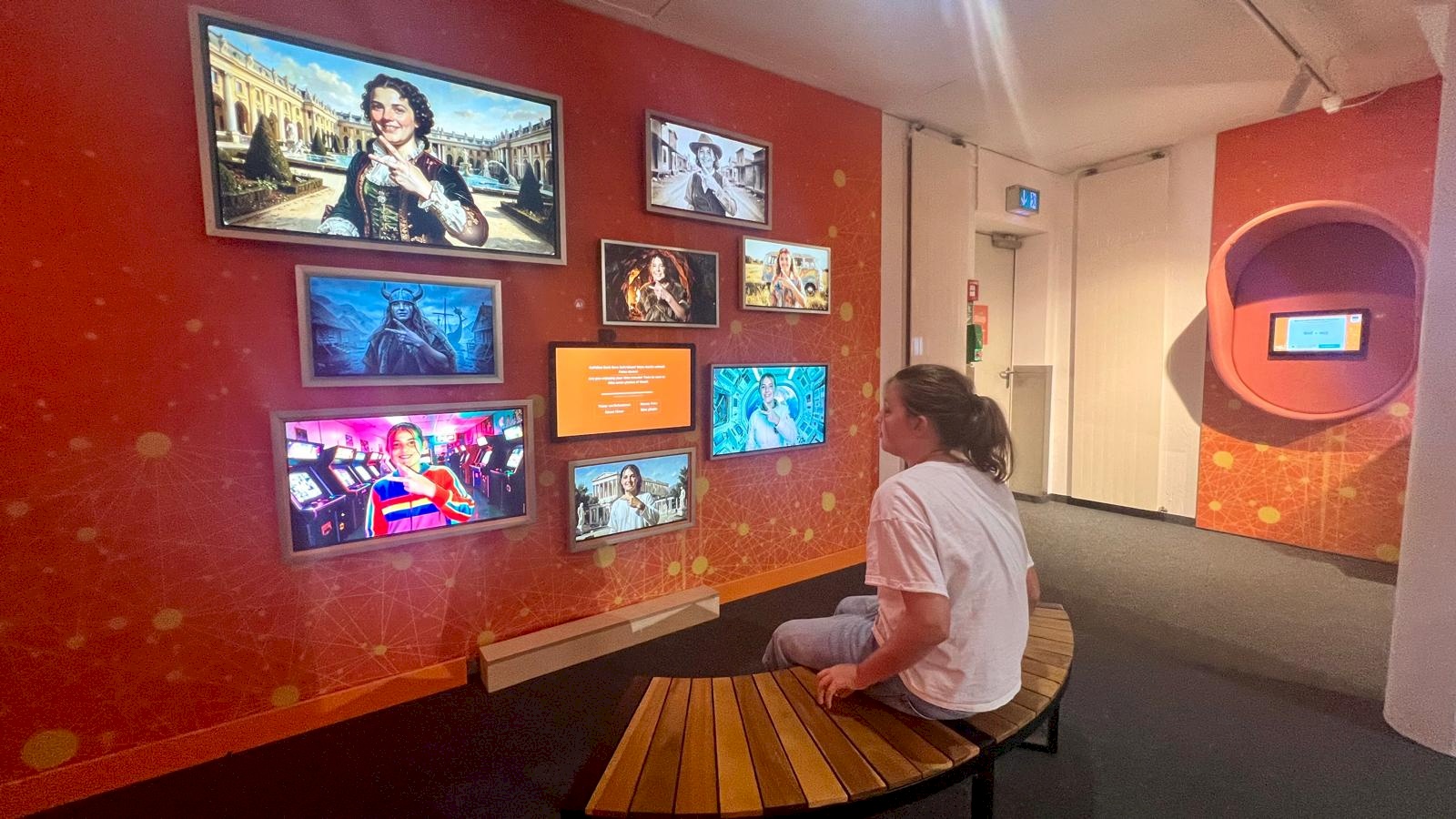
I stand in front of a screen and take a picture of myself.
I wait for moments, and suddenly my image appears in different times and contexts; once in a historical atmosphere, once in a futuristic world, and once in an exquisite artistic style.. It was as if the same picture had taken me to another life.
This experience was very similar to what we see today on social media, but it preceded this spread by allowing the visitor to transform his image into scenes that look like they were taken in the seventies or eighties, or in historical times that he did not live in the first place. This is the same idea that we see today in the trend of the 1980s, where people upload their images to artificial intelligence tools to appear as part of another time, with images that sometimes look like they came out of an old family album, even though they were made within seconds.
Today, you can give an artificial intelligence tool a picture of you and ask it to “create” a new image; that is, to create an image for you that did not exist before, depending on your image and the description you provide to it (called the Prompt).
But the experience in the museum does not stop at the astonishment of the image.
It puts me in front of a question: How did this happen in the first place?
Simplistically, the system analyzes the image and the elements in it, recognizes its learning patterns from vast amounts of images and data, and then uses what it has learned to produce a new image that keeps some of your features in context.
This is where the experience becomes more important than just having a beautiful image.
Because another question comes to your mind as a visitor directly:
If we are constantly giving these gadgets our portraits, where do these portraits go? And how is it handled.
At a time when turning your image into a copy of the 1970s or 1980s has become just a fun trend, it's important to remember that the image we upload isn't just a passing image; it's personal data that we put in the hands of a digital system, and we may not know exactly where it's stored, how it's used, how long it stays, what might happen to it in the future or how it might be used in ways we didn't expect.
Can AI know how I feel?
I move to another station, and I find in front of me a small robot staring at me intelligently, moving its eyes and head, following me right and left and up and down, as if trying to understand who is standing in front of him and interacting with him.
Moments later, possibilities for my emotional state appear on the screen: happy, sad, scared, angry, surprised or neutral.
The experience may seem amusing at first, but its idea goes beyond just knowing my current emotional state.
The experiment shows in a simple way how artificial intelligence can analyze facial features, look for specific signs, and then compare them to what it learned from previous examples to try to identify the closest feeling.
And here I discovered an important difference:
Artificial intelligence doesn't really know how I feel, it tries to predict by what it sees on my face.
A smile, for example, can mean happiness, but it can be a compliment and an artificial one (as I did, by the way), an embarrassment, or just a spontaneous response to the camera.
The value of an experiment is simply to make us understand that AI may analyze what's on our faces, but it doesn't necessarily mean that it knows what's going on inside us.
Teaching AI to Learn!
In another station, the roles change.
This time, AI doesn't analyze me; I help it learn.
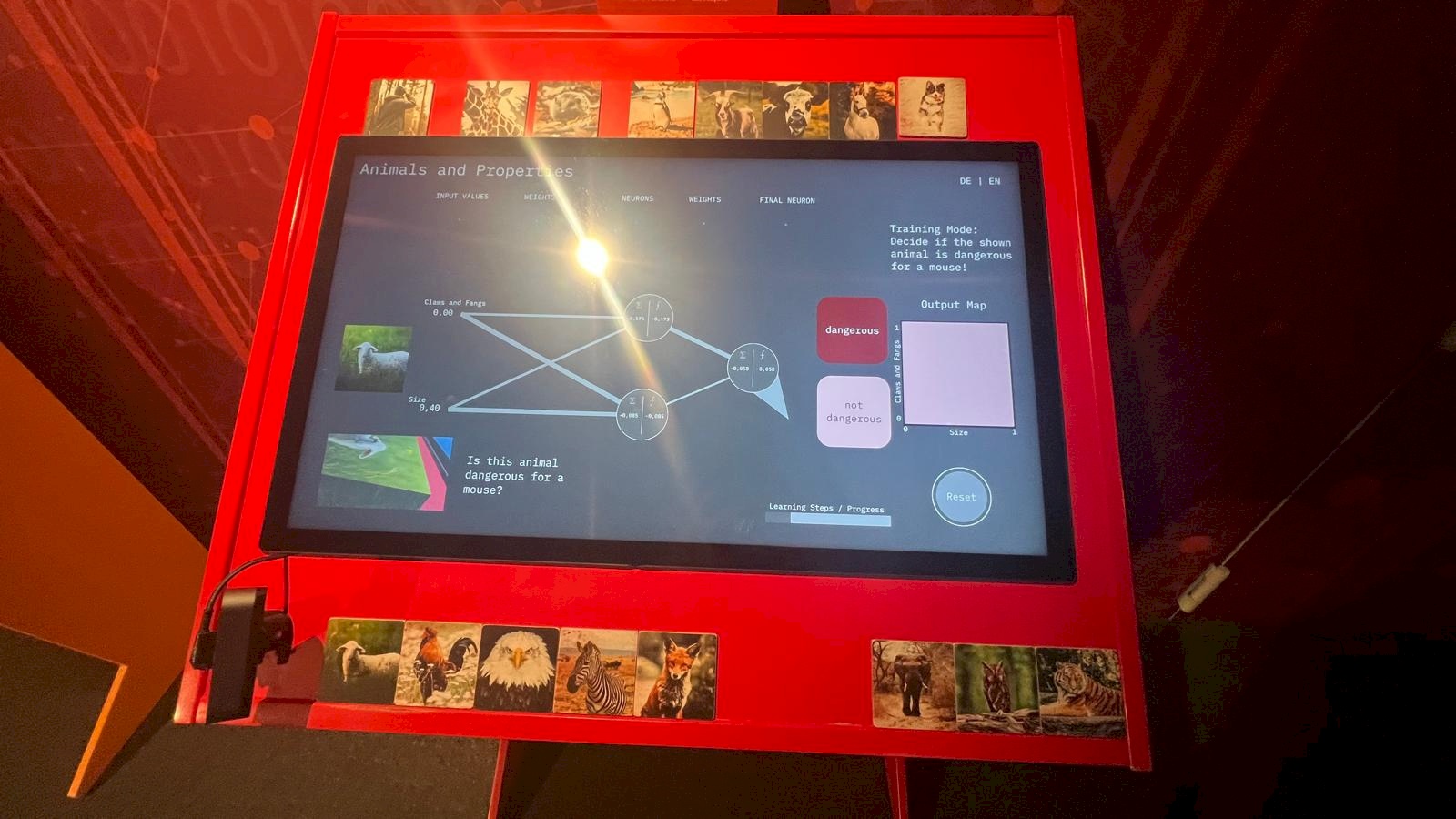
In front of the screen is a group of animals, and it is required that I help the system identify any of them that may be dangerous to a mouse.
I start by giving him examples: An animal with claws and tusks? A large animal? An animal that does not possess these qualities?
With each example, the system begins to learn.
Then a new image appears in front of me that he has never seen before.
Will he be able to find out the answer?
Here the idea of learning AI becomes very simple: I give him examples, he learns from them, and then he tries to use what he has learned when he encounters something new.
Here I understand the importance of information, if the examples I give are few, incomplete, or not varied, the result may be wrong.
Simply put, AI learns from the examples we give it, so the better and more diverse the examples, the greater the chance that its results will be better.
When the robot learns to walk
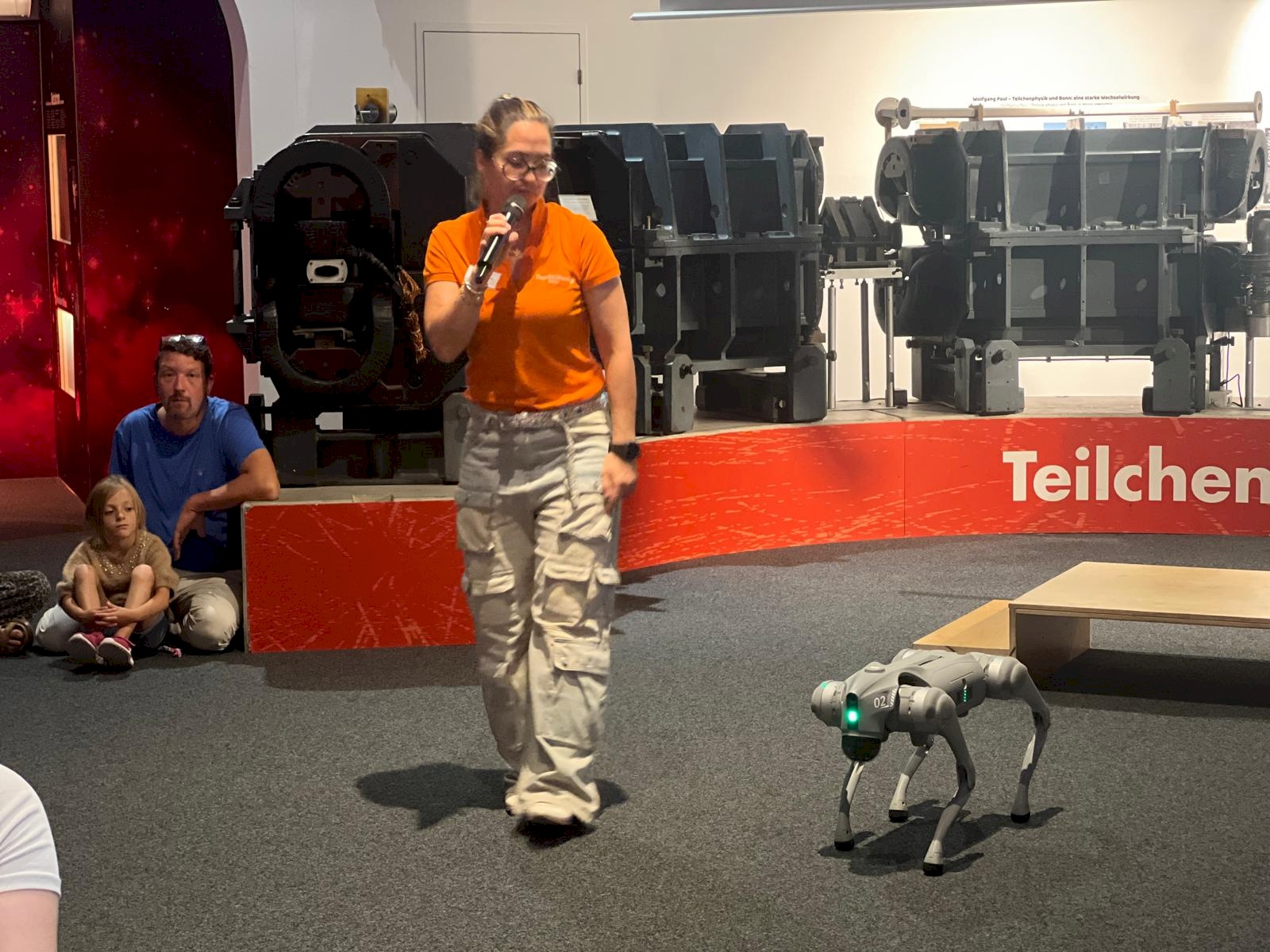
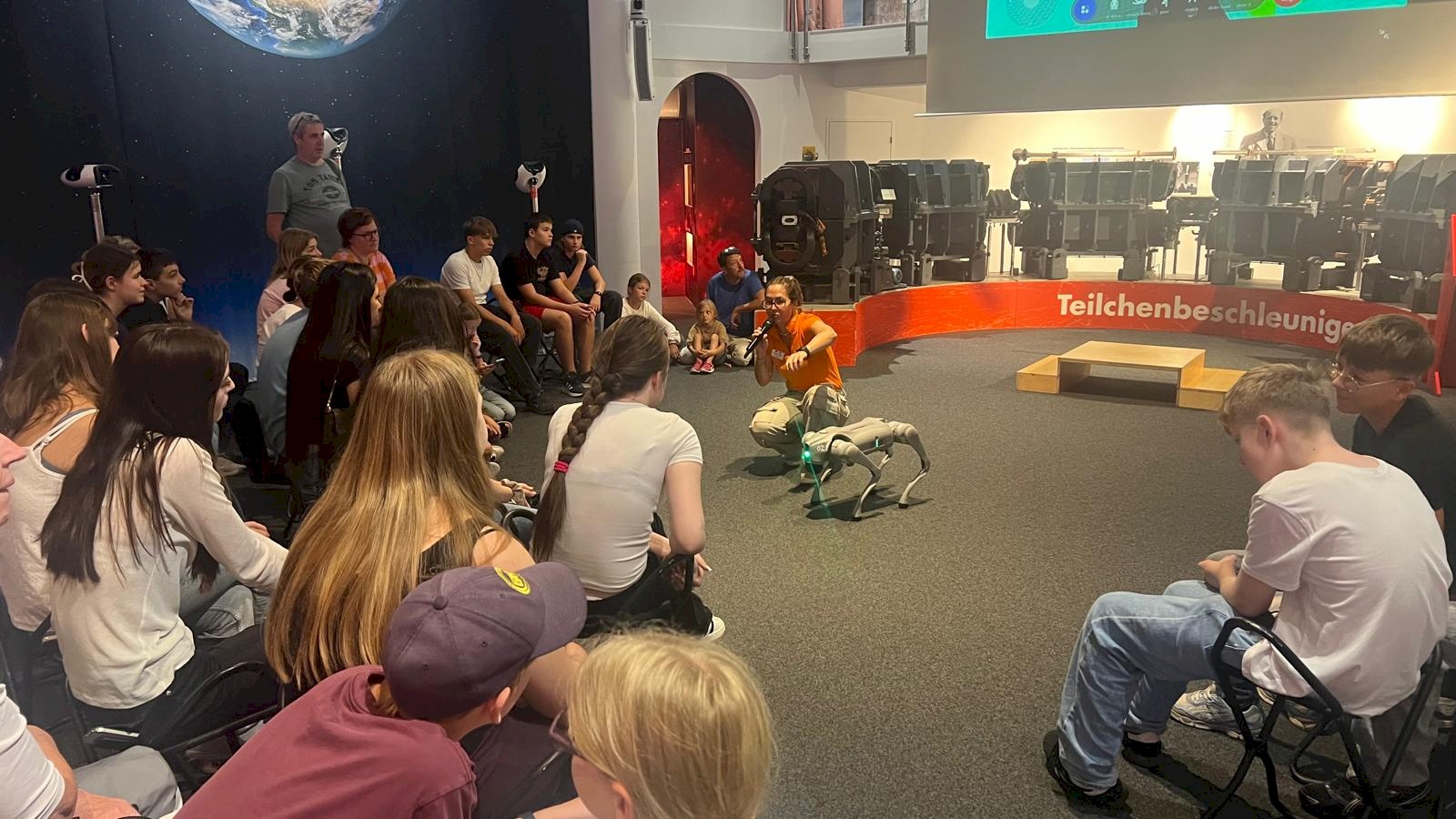
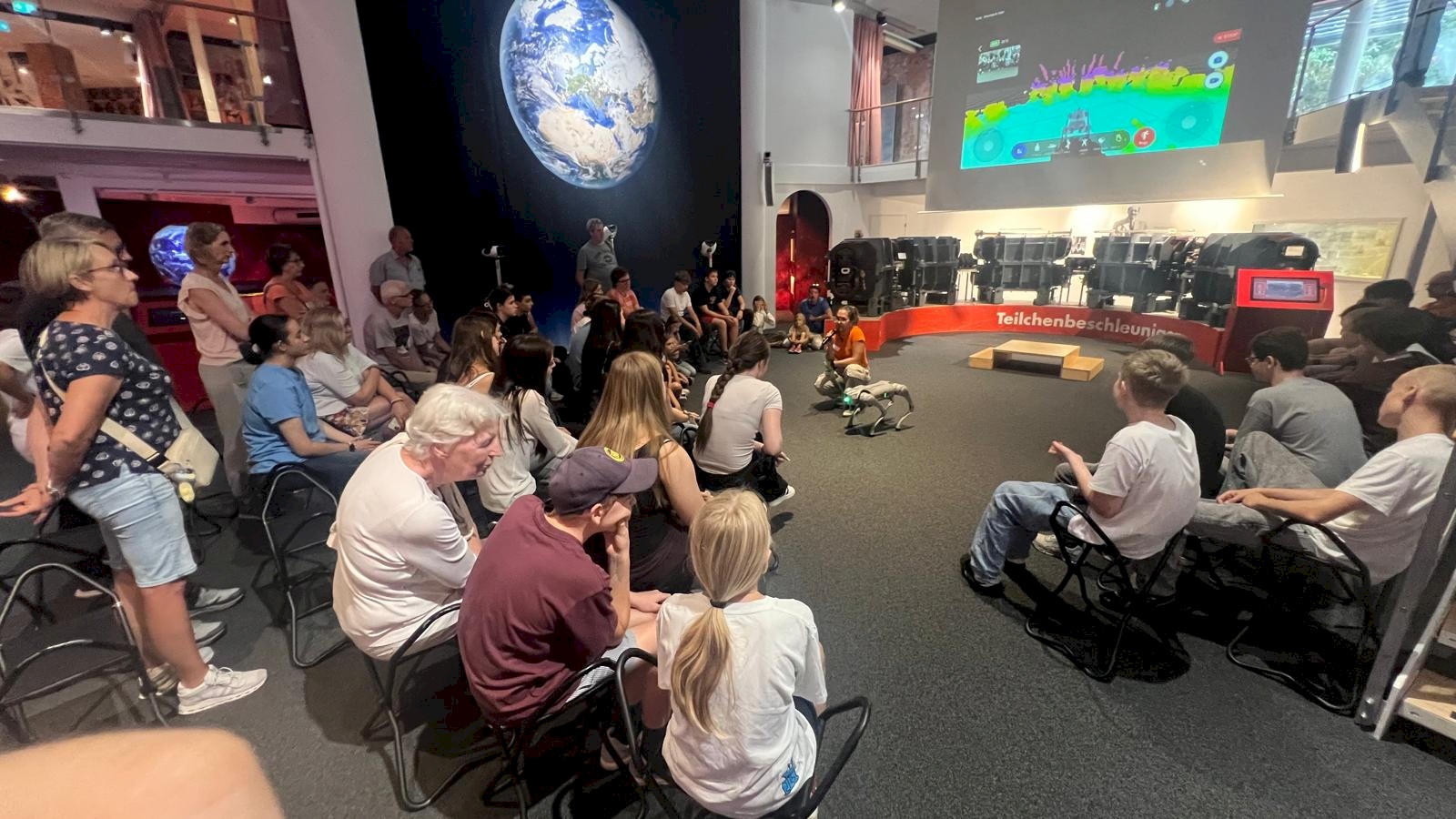
At one of the stations of the tour, I meet a dog that does not bark and does not need a trainer to lead it; it is a robot dog, designed to mimic the movement of dogs and their ability to balance and move around in different environments.
He starts to move, corrects his steps and deals with his surroundings in a curious way. Such robots can be used for search and rescue, hazardous place searches, surveillance, and transportation of equipment in environments that are difficult for humans to access.
But the idea here is not a gentle robot parade; it is an attempt to understand how a robot can learn to move and manipulate the environment through data, algorithms, and experience.
The visitor not only sees the final result, but approaches the question:
How can a robot learn something that seems to us natural and intuitive like walking?
What if the car decides?
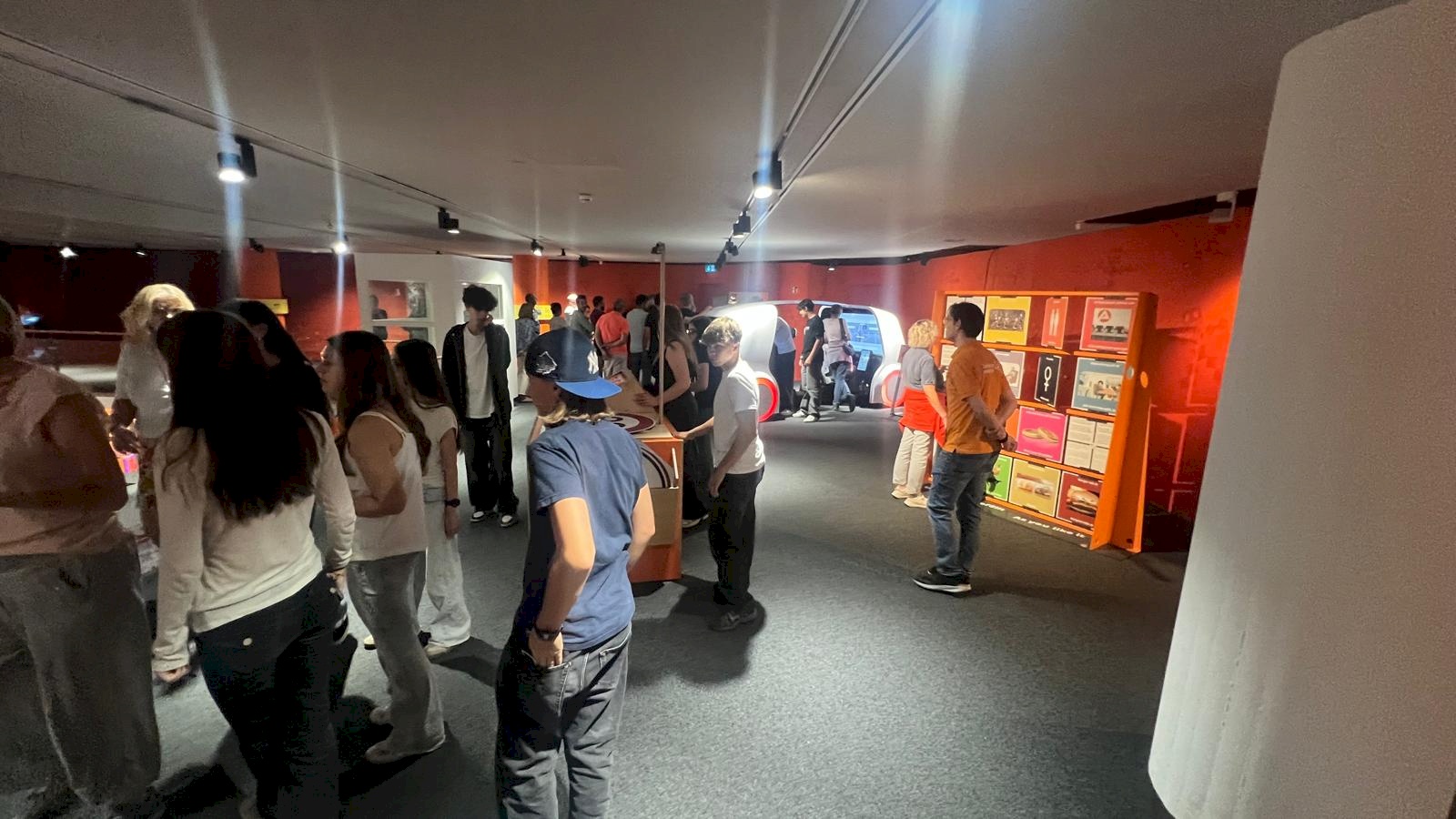
Continuing the tour, I find myself experimenting with a self-driving car.
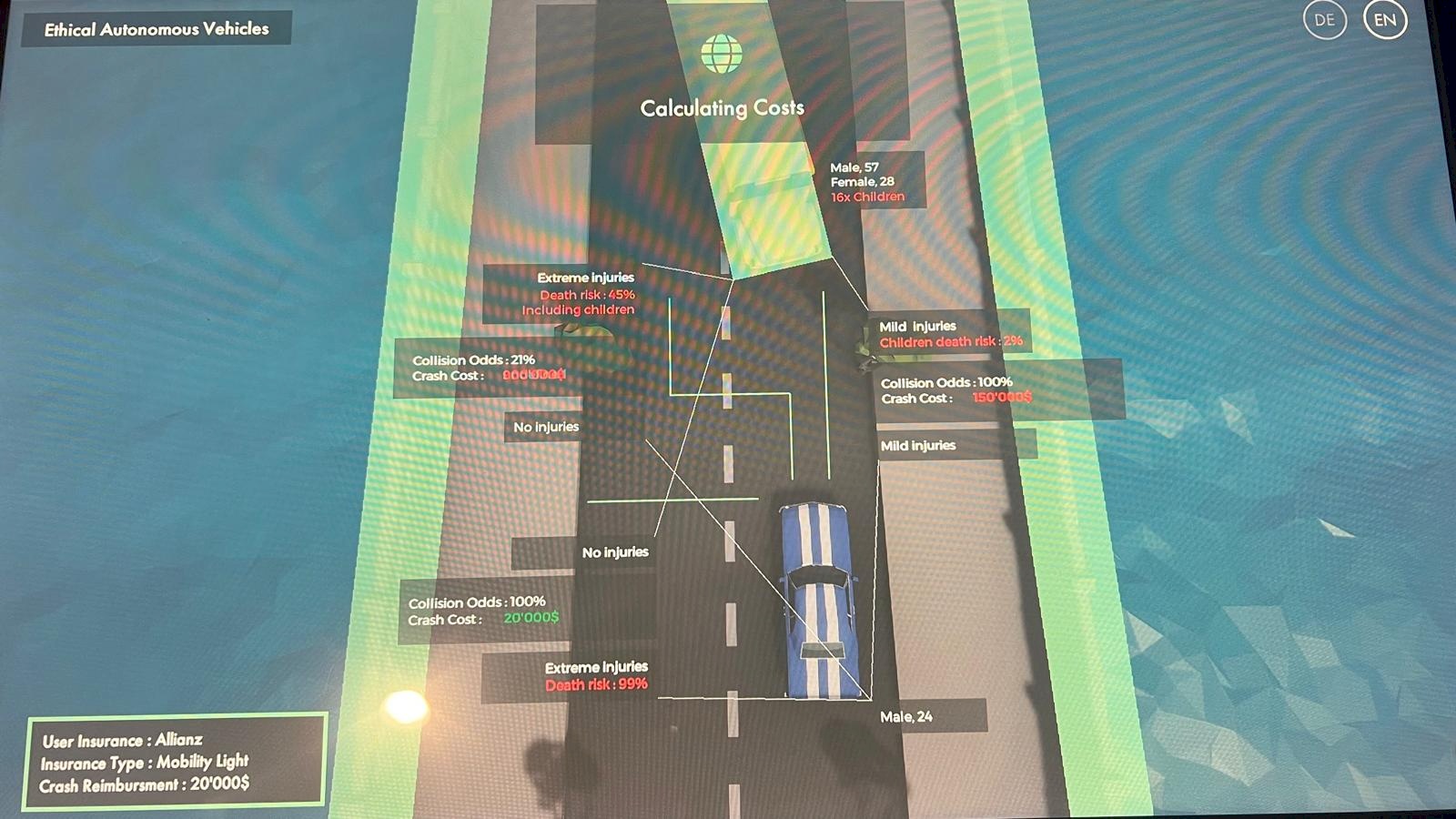
Accident situation, people on the road, children, other cars and emergency vehicles. The car has more than one option, and each option has different odds of injury and different costs.
The system starts by analyzing the situation, calculating the probabilities of risk and losses, and then tries to choose the decision it deems best.
But the experience doesn't want me to learn how to drive a self-driving car, but to understand how AI can handle a complex situation, turn it into numbers and probabilities, and then use them to come to a decision.
Here the question becomes more difficult:
When there is no perfect choice, is there really a “better” decision and a “worse” decision when choices are associated with loss of life or material damage? And who determines that in the first place?
Herein lies the value of experience; it makes us think that decisions that seem to man moral and complex, may turn within artificial intelligence systems into calculations, rules and probabilities.
The last question remains open:
Do we really want to leave it to an AI system to make a decision that might relate to human lives?
When artificial intelligence tries to recreate the color of history
At another stop, the gallery takes a completely different turn.
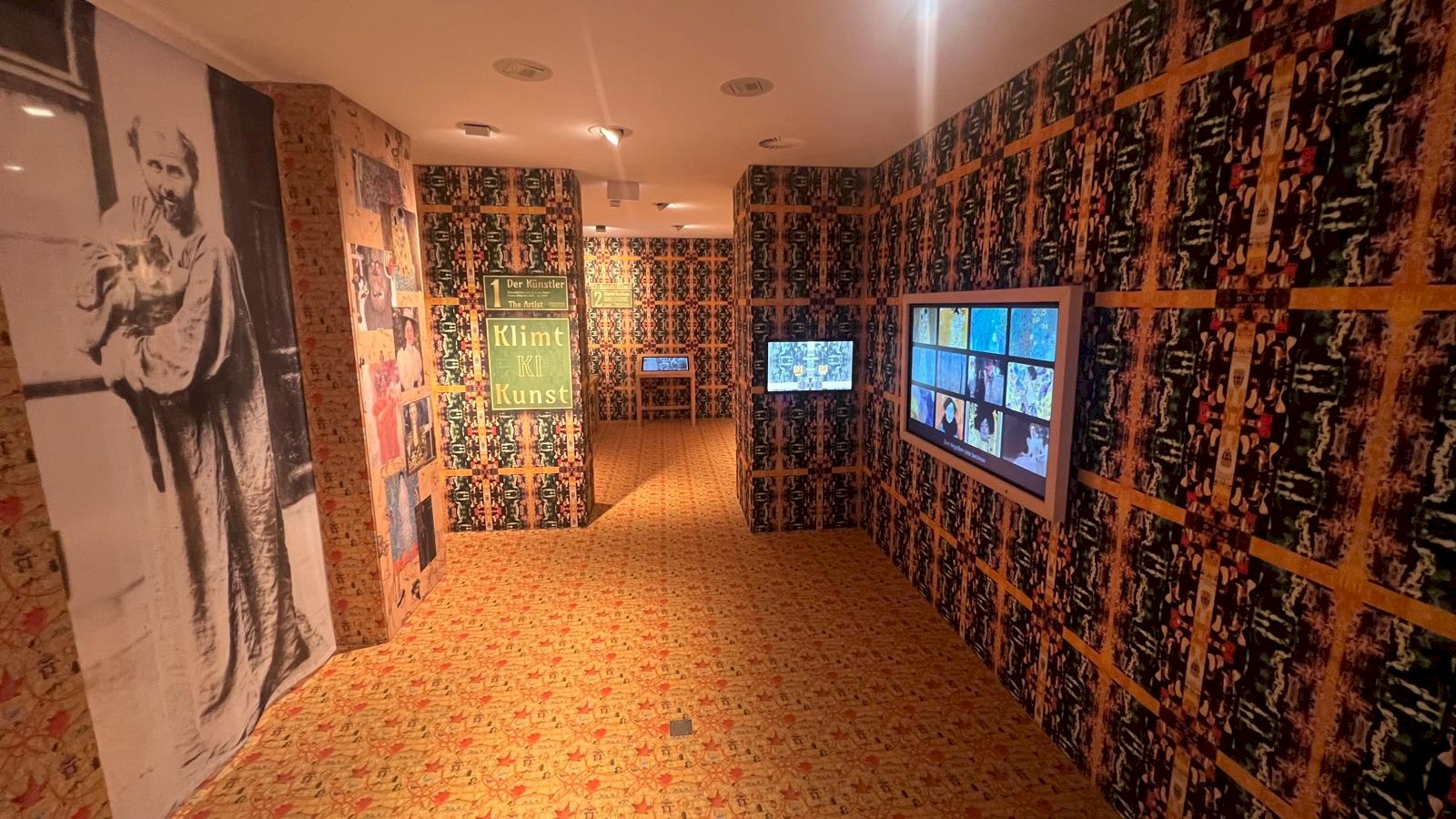
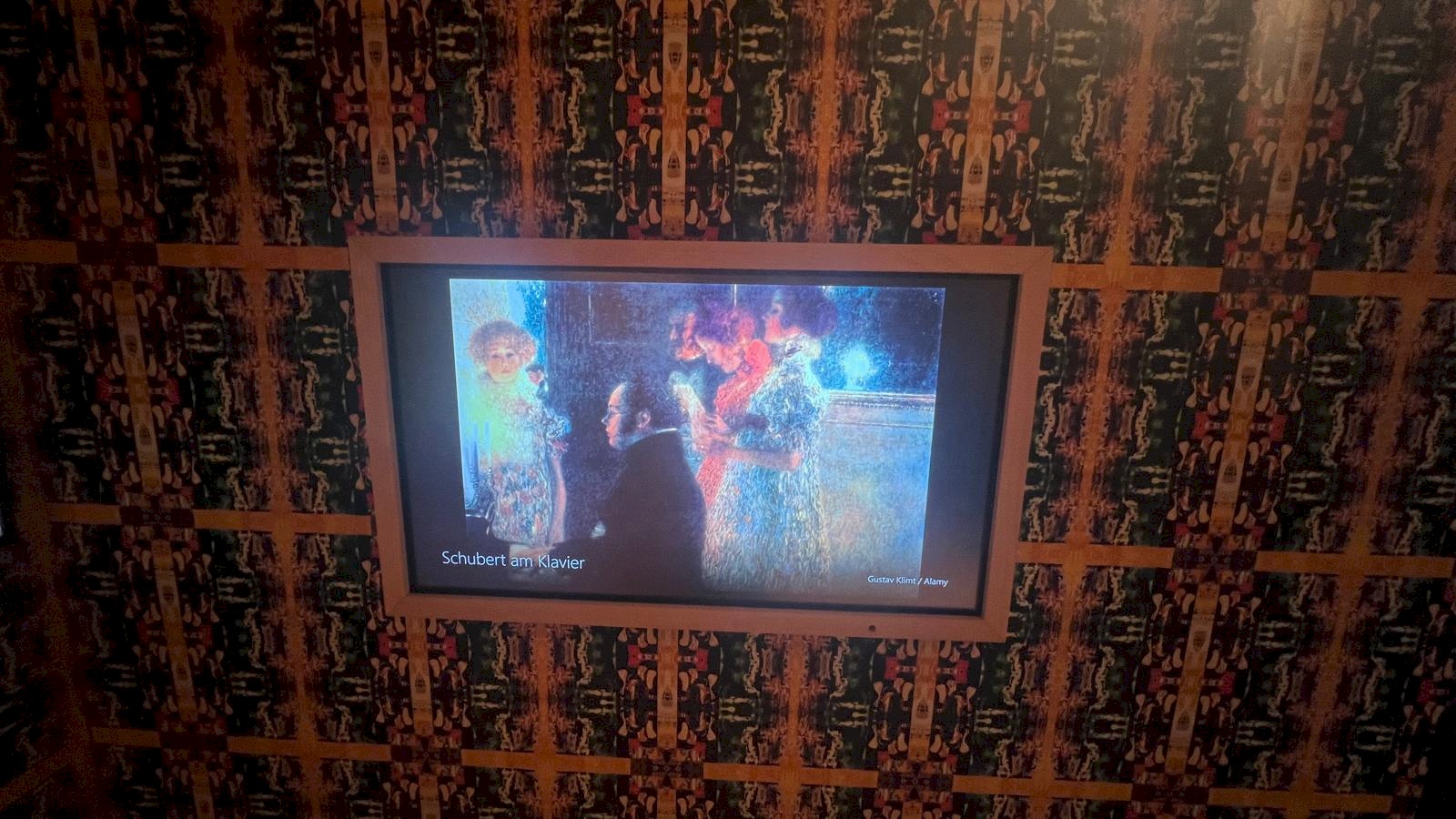
I have paintings and works of art in vibrant colors, but behind these colors is a story about art that has been lost forever.
It is the works of the artist Gustav Klimt that were lost during the Second World War. Only black-and-white photographs, some historical information and descriptions remain, while their original colors remain a mystery.
Here artificial intelligence enters in an attempt to reclaim what no longer exists.
In cooperation with experts in the field of art, the remaining images and information are analyzed, the different colors and shades are converted into digital values that the computer can compare and analyze, and this information is then used along with knowledge of art history to try to estimate the colors that may have been present in the original paintings.
But more importantly, AI doesn't tell us the missing truth, it offers possibilities that help experts reimagine it.
Herein lies the value of the experience; it not only shows us a beautiful painting that has been recolored, but also makes us think of the ability of artificial intelligence to help us recover a part of a history that we can no longer see, while remaining the human being who has the primary role in interpretation and evaluation.
The question the experiment leaves open is:
Can technology help us regain what we've lost, without the possibilities it offers turning into a reality we believe?
Artificial intelligence has a cost that we do not know!
Up until this point, AI was for me something that was happening on the screen. Type a question, press a button, and the result appears in seconds.
Then I arrive at a completely different experience.
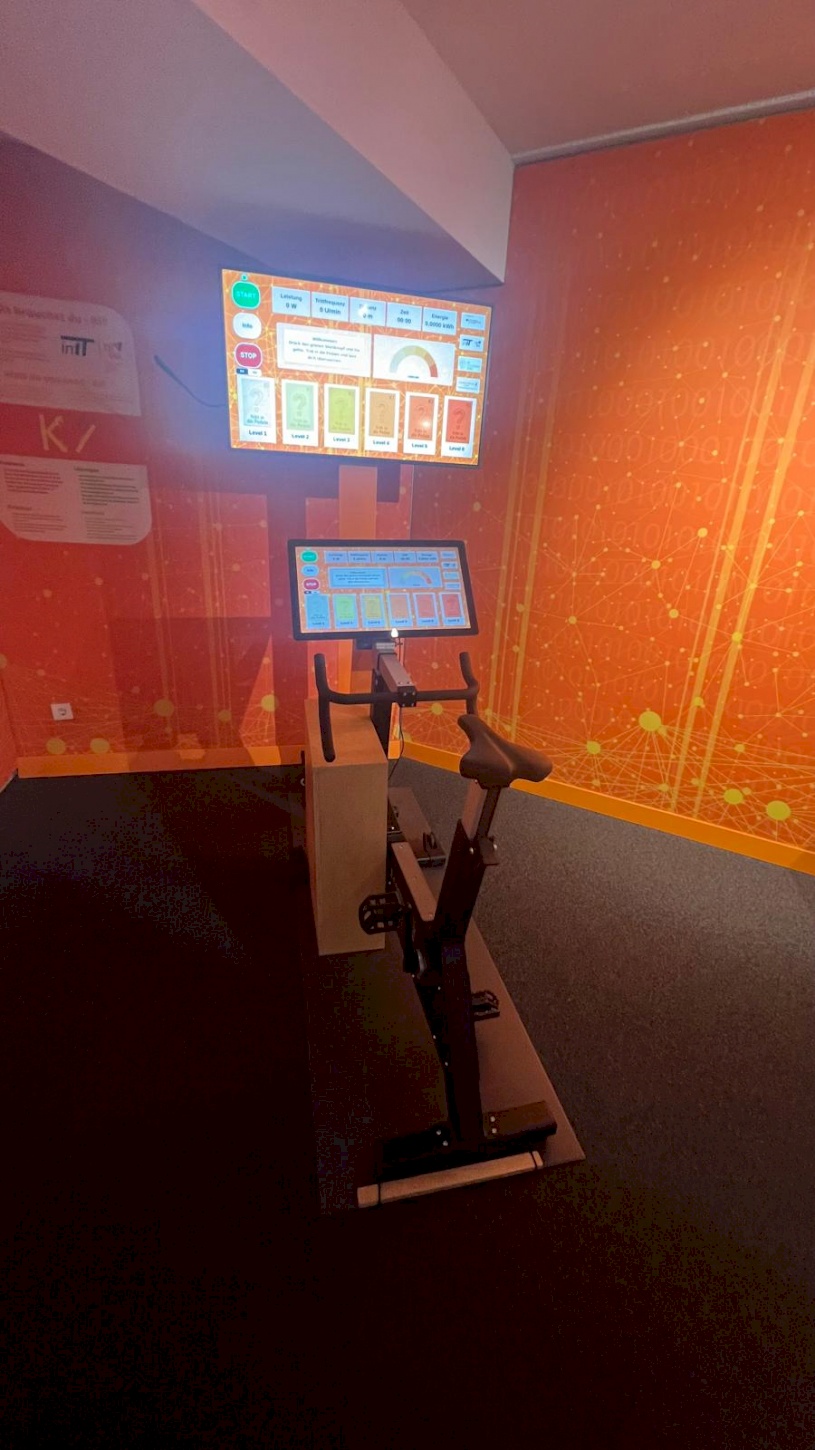
Stationary bicycle
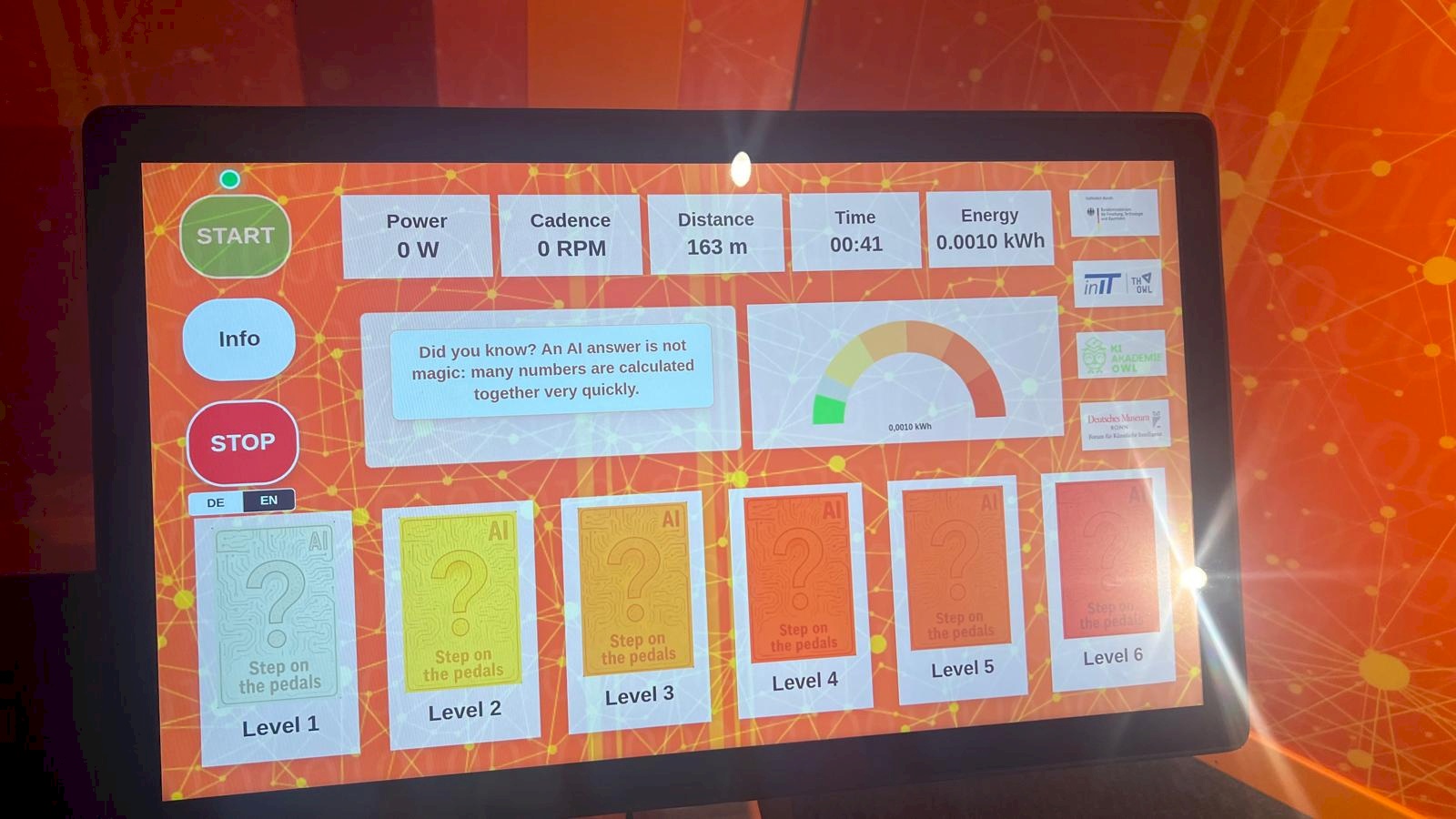
I start by stepping on the pedals, and figures showing energy, time, distance, and consumption appear in front of me.
Suddenly, something we don't usually see becomes something I can feel.
We write a question and the answer arrives, and we ask for a picture and it appears in front of us, but behind this speed are devices and data centers that need electricity, cooling, water and raw materials to work.
If you want to know how much energy these processes can consume, you have to ride the bike and continue stomping with great speed and effort. The museum links the effort you make to what artificial intelligence systems need to produce an image, write a text, create a song, produce a video and other tasks. The more complex the task, the more computational resources you need. The museum thus transforms the energy consumption that takes place away from our eyes into an experience that we can see and feel.
The experiment also presents some solutions, such as using renewable energy, improving cooling systems, taking advantage of the resulting heat, and developing more efficient programs.
Here comes to mind a question that cannot be ignored:
As AI becomes stronger and more used in our lives, should we also ask: How much does this capability cost us?
Then my privacy becomes part of the experience
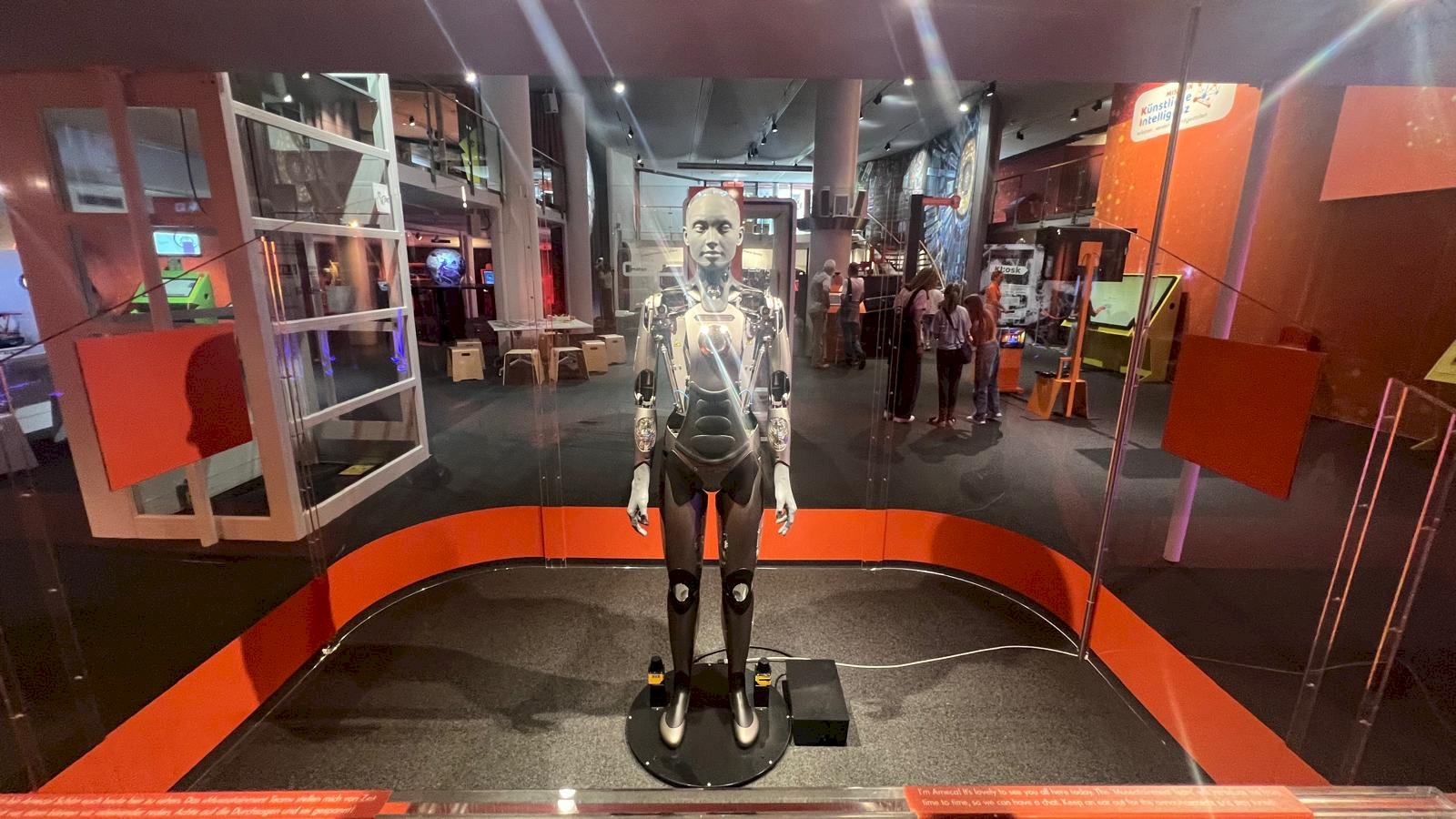
Accessing a human-like robot... I look at him and talk to him, and he looks at me and interacts with me, but next to him I find a clear warning: this robot may collect sound, image, and interaction data.
And here I think: When I talk to artificial intelligence or send it a picture, what happens to this information? Go where?
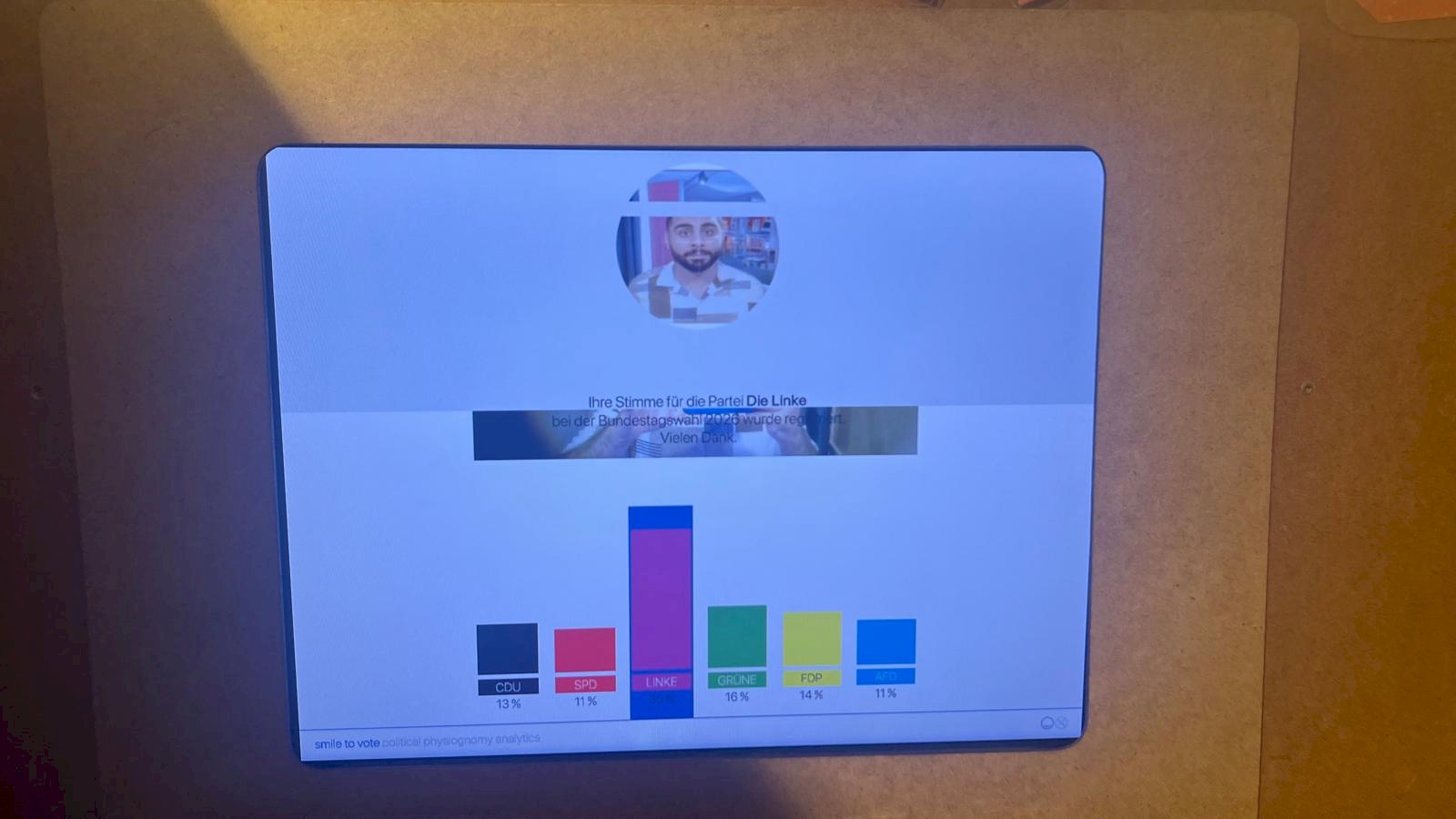
In another station, I find an experiment that tries to find out the political orientation of a person from the features of his face.
The idea may seem like a game at first, but it begs an important question:
What if AI starts to infer personal information about me that I didn't even tell him?
In this case, we conclude that not everything that AI can know about us means that it should.
After the Tour I started to see beyond the screen
I walked out of the museum and opened my phone as usual.
Same tools, same results, but something changed.
Not only did I no longer see the result, I began to ask: Where did the data come from? How did you learn the system? How did he arrive at this answer? What happened when? What did he know of me? And how much does this technology cost?
This is perhaps the most important value left by the German Museum in Bonn: to take you beyond the screen, to understand how artificial intelligence learns, how it predicts, how it reaches its decisions, what data and resources it needs, and what ethical questions it raises.
You get out there and you're not just asking what AI can do, but how.
I hope that one day we will see a similar space in Palestine, opening its doors to our children, youth and various groups of our society; a space that not only teaches them to use tools, but also helps them understand what is happening behind them, discover their potential and limits, and learn how to use them consciously and responsibly in education, media, work and various areas of life.
The future needs not only those who are good at AI, but those who understand it.