
English follows:
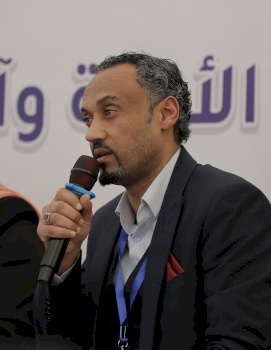
بقلم: حكمت نبيل المصري
أبحث عن شعور الانتماء؛ إلى الأرض، وإلى فلسطين بكل تفاصيلها. أبحث عن ذلك الشعور الذي يجعل الإنسان يرى في المكان أكثر من جغرافيا، وفي البيت أكثر من جدران، وفي الوطن أكثر من حدود مرسومة على الخرائط.
لكنني كلما حاولت أن أفهم حالتنا الفلسطينية، وجدت نفسي أمام حقيقة قاسية: أن كثيرًا من جوانب حياتنا أصبحت عبثية بكل ما تحمله الكلمة من معنى. عبث سياسي، وعبث اجتماعي، وعبث في علاقتنا بالمستقبل، وكأننا ندور منذ سنوات في الحلقة ذاتها، نعيد إنتاج الأزمات نفسها، وننتظر نتائج مختلفة.
ومع ذلك، فالعبث ليس قدرًا.
يمكننا أن نخرج منه إذا امتلكنا الشجاعة لمراجعة أنفسنا، لا لمراجعة خصومنا فقط. وإذا امتلكنا القدرة على الاعتراف بأننا أخطأنا، وأن بعض ما اعتدنا اعتباره من المسلمات لم يعد صالحًا لمرحلة جديدة. والأهم أن نتعلم كيف نستمع إلى بعضنا أكثر؛ أن نستمع إلى الناس الذين دفعوا الثمن، لا أن نتحدث باسمهم فقط.
غزة اليوم ليست غزة التي كانت قبل السابع من أكتوبر.
هذه ليست جملة سياسية عابرة، بل حقيقة عميقة ستفرض نفسها على المجتمع الفلسطيني وعلى كل من يتعامل مع القضية الفلسطينية. فالحرب لم تغيّر شكل المكان فقط، بل غيّرت الإنسان أيضًا. غيّرت نظرته إلى السلطة، وإلى الفصائل، وإلى المجتمع، وإلى الأمن، وإلى الوطن، وحتى إلى معنى الحياة نفسها.
الغزيون اليوم ينظرون إلى المستقبل من زاوية مختلفة. ليس لأنهم يملكون كل الإجابات، بل لأنهم دفعوا ثمنًا لا يمكن وصفه. فقدان البيت ليس مجرد خسارة عقار، وفقدان الأب أو الأم أو الابن ليس رقمًا في إحصائية، والنزوح ليس مجرد انتقال من مكان إلى آخر. هناك أجيال كاملة تحمل في داخلها تجربة ستظل حاضرة في ذاكرتها لسنوات طويلة.
ولهذا، فإن السؤال الحقيقي بعد الحرب لا ينبغي أن يكون فقط: كيف سنعيد بناء غزة؟
بل: أي غزة نريد أن نبني؟
هل سنعيد بناء الحجر ونترك الإنسان كما هو؟
هل سنعيد إنتاج العلاقات السياسية والاجتماعية ذاتها؟
هل سنعود إلى اللغة القديمة نفسها، وإلى الاستقطاب ذاته، وإلى الانقسام الذي استنزف الفلسطينيين لسنوات؟
أم أن هذه اللحظة، بكل ما تحمله من ألم، يمكن أن تكون فرصة لإعادة التفكير في كل شيء؟
ربما تكون غزة أمام لحظة تاريخية لا تشبه ما سبقها. لحظة يحتاج فيها الفلسطينيون إلى إعادة تعريف العلاقة بين المواطن والوطن، وبين المجتمع والسلطة، وبين المقاومة والسياسة، وبين الحقوق الوطنية وحاجات الإنسان اليومية.
فالوطن لا يُبنى بالشعارات وحدها، ولا تُصان كرامة الإنسان بالخطابات. الوطن هو أن يشعر الإنسان أن له مكانًا فيه، وصوتًا مسموعًا، وحقًا في الاختلاف، وأملًا في المستقبل.
لقد دفع الغزيون ثمنًا هائلًا، ومن حقهم بعد كل هذا الألم أن يكون لهم صوت حقيقي في تحديد شكل المستقبل.
ومن حقهم أن يسألوا: ماذا بعد؟
ليس من العدل أن تكون الإجابة دائمًا جاهزة من الخارج، أو أن تُرسم خرائط المستقبل بعيدًا عن الإنسان الذي سيعيش فوقها.
غزة ليست مشروعًا عمرانيًا فقط. وليست ورقة تفاوضية. وليست ملفًا أمنيًا. غزة مجتمع كامل، بكل تناقضاته وذاكرته وأحلامه وخوفه وغضبه وأمله.
ولهذا فإن إعادة إعمار غزة يجب ألا تعني إعادة بناء البيوت فقط، بل إعادة بناء الثقة، والمؤسسات، والعلاقات الاجتماعية، والحياة السياسية، والأمل.
وإذا كان ما بعد السابع من أكتوبر لن يكون كما قبله، فإن مسؤوليتنا ألا نسمح بأن يكون المستقبل مجرد نسخة أخرى من الماضي.
ربما لا نملك اليوم كل الإجابات، وربما لا نعرف إلى أين ستذهب غزة، ولا كيف ستبدو فلسطين في السنوات القادمة. لكننا نملك شيئًا واحدًا: القدرة على طرح الأسئلة الصحيحة.
وأول هذه الأسئلة هو: ماذا يريد الإنسان الفلسطيني؟
ربما يكون هذا هو المدخل الحقيقي لاستعادة معنى الانتماء.
ففي غزة، لا يعيش مليونا إنسان فقط.
في غزة، مليونا قصة تستحق أن تُروى، ومليونا إنسان يستحقان أن يكون لهما مكان في صناعة المستقبل.
والحكاية لم تنتهِ بعد.
Gaza After the War: When Belonging Becomes a Question About the Future
By: Hikmat Nabil Al-Masri
I search for a sense of belonging—to the land, and to Palestine in all its details. I search for that feeling which makes a person see more than mere geography in a place, more than walls in a home, and more than lines drawn on maps in a homeland.
Yet, every time I try to understand our Palestinian reality, I find myself facing a harsh truth: that many aspects of our lives have become absurd in every sense of the word. Political absurdity, social absurdity, and an absurdity in our relationship with the future, as if we have been spinning in the same cycle for years, reproducing the exact same crises while expecting different results.
And yet, absurdity is not a destiny.
We can break out of it if we possess the courage to review ourselves, not just to review our adversaries. If we have the capacity to admit that we were wrong, and that some of what we used to consider constants is no longer fit for a new phase. Most importantly, we must learn how to listen to one another more; to listen to the people who paid the price, rather than just speaking on their behalf.
Gaza today is not the Gaza that existed before October 7th.
This is not a passing political phrase, but a profound reality that will impose itself on Palestinian society and on everyone dealing with the Palestinian cause. The war has not only altered the physical shape of the place, but it has also changed the human being. It has changed their view of authority, of factions, of society, of security, of the homeland, and even of the very meaning of life.
Gazans today look toward the future from a different angle. Not because they hold all the answers, but because they have paid an indescribable price. Losing a home is not merely the loss of real estate, losing a father, mother, or child is not just a statistic, and displacement is not merely moving from one place to another. Entire generations carry within them an experience that will remain vivid in their memories for years to come.
Therefore, the real question after the war should not just be: How will we rebuild Gaza?
Rather, it should be: What kind of Gaza do we want to build?
Shall we rebuild the stones and leave the human being unchanged?
Shall we reproduce the very same political and social relationships?
Shall we return to the same old language, the same polarization, and the division that drained Palestinians for years?
Or can this moment, with all the pain it carries, be an opportunity to rethink everything?
Perhaps Gaza stands before a historic moment unlike anything that preceded it. A moment where Palestinians need to redefine the relationship between the citizen and the homeland, between society and authority, between resistance and politics, and between national rights and everyday human needs.
For a homeland is not built by slogans alone, nor is human dignity preserved by speeches. A homeland is when a person feels they have a place within it, a voice that is heard, a right to disagree, and hope for the future.
Gazans have paid a immense price, and after all this pain, they have every right to have a genuine voice in shaping the future.
They have the right to ask: What comes next?
It is unfair for the answer to always be pre-packaged from the outside, or for the maps of the future to be drawn far away from the human being who will live upon them.
Gaza is not merely an urban development project. It is not a negotiating chip. And it is not a security file. Gaza is a complete society, with all its contradictions, memory, dreams, fear, anger, and hope.
Therefore, the reconstruction of Gaza must not mean rebuilding houses alone, but rebuilding trust, institutions, social relations, political life, and hope.
If what comes after October 7th will not be like what came before it, then our responsibility is to ensure that the future is not simply another version of the past.
Perhaps we do not hold all the answers today, and perhaps we do not know where Gaza is headed, or what Palestine will look like in the coming years. But we possess one thing: the capacity to ask the right questions.
And the first of those questions is: What does the Palestinian human being want?
Perhaps this is the true gateway to reclaiming the meaning of belonging.
For in Gaza, two million people do not merely live. In Gaza, there are two million stories waiting to be told, and two million human beings who deserve to have a place in crafting the future.
And the story is not over yet.